
Tutoring and Intervention · Video
What Is the Science of Reading?
It is not a curriculum, a programme or a brand — it is fifty years of research on how a brain learns to read. Which is why a school can buy the right materials and your child can still not be learning.
What this video explains
The science of reading is not a curriculum or a brand — it is about fifty years of research into how the brain learns to read. This video covers the three models behind it, why phonics alone is not the whole picture, how structured literacy differs from balanced literacy, and why a child with dyslexia can sit in a classroom using the right materials and still not learn.
Chapters
- 0:00 What is the science of reading?
- 0:33 How the brain learns to read
- 0:55 The five essential pillars of reading
- 1:18 Why phonics alone is not enough
- 1:40 Scarborough's Reading Rope and the Simple View of Reading
- 1:59 How decoding and language comprehension work together
- 2:24 Structured literacy vs. balanced literacy
- 2:47 Why three-cueing and word guessing do not work
- 2:59 Why traditional classroom pacing can leave readers behind
- 3:21 Dyslexia intervention: small groups and mastery-based learning
- 3:48 Signs of real reading progress in dyslexic students
- 4:19 Why students with dyslexia need targeted instruction
- 4:45 Applying the science of reading in schools
Transcript
Video Transcript
Prefer the long-form read? Read the full article, What Is the Science of Reading?
Instruction that moves when your child does
READ Academy teaches reading the way the research describes it — explicit, sequenced, multisensory, in small groups, with the next step taken when the last one is secure rather than when the calendar says so. Come and see a lesson before you decide anything.
READ Academy of Sacramento · WASC-accredited
2565 Millcreek Dr, Sacramento, CA 95833
Keep watching
Related viewing
More explainers from Dr. Leah Skinner, ED.D in Tutoring and Intervention.
 5:06
Tutoring and Intervention
The Window for Reading Intervention
Why a child can memorise the facts and still have no idea what the numbers mean.
 4:31
Tutoring and Intervention
The Window for Reading Intervention
Why the same reading pathways take months to build at six and years to build at ten.
 4:48
Tutoring and Intervention
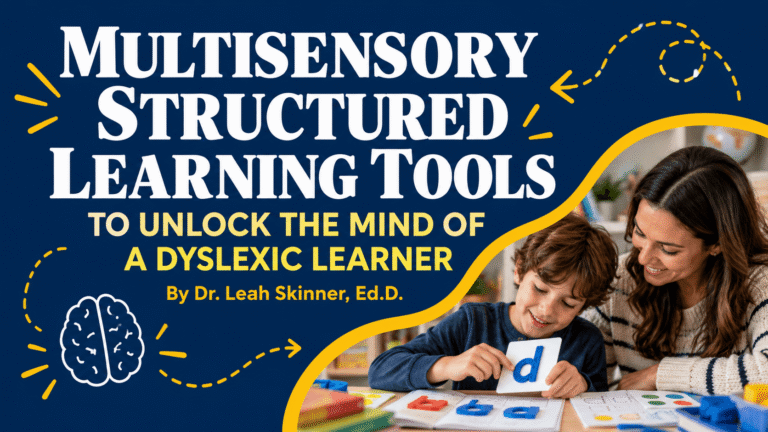
What Multisensory Learning Actually Looks Like
Not a learning style. A child sees the letter, says the sound, hears their own voice and writes the shape — in the same moment, on purpose.